
Catalytic Converters: The Ultimate Guide to Function, Failure, and Replacement
1st Jul 2026
Catalytic converters play a critical role in reducing harmful emissions while keeping your vehicle running efficiently and legally compliant. From understanding how they work to recognizing failure symptoms and choosing the right replacement, this guide covers everything drivers need to know. You’ll learn about lifespan factors, emissions compliance, OEM versus aftermarket options, and how to avoid costly inspection failures while maintaining long-term performance.
Buying a Colorado-Compliant Catalytic Converter: The 2026 Buyer’s Guide
Buying a Colorado-CARB Compliant Catalytic Converter in 2026 goes beyond simply replacing a failing component — it’s about staying aligned with rigorous emissions laws while preserving engine efficiency and long-term reliability. Because Colorado enforces California-level environmental standards, only properly certified CARB catalytic converters are approved for legal installation, making compliance essential for both performance and peace of mind.
Why You Must Have a Colorado-Compliant Converter
Colorado enforces emissions regulations based on California Air Resources Board (CARB) standards to reduce vehicle pollution and improve air quality statewide. Using a non-compliant catalytic converter can result in failed emissions tests, registration issues, and possible fines.
A Colorado-compliant catalytic converter meets strict CARB certification requirements and is built with premium materials such as platinum, palladium, and rhodium for optimal emissions control and durability. These converters outperform standard EPA-approved units by meeting higher efficiency and longevity benchmarks.
Before purchasing, always confirm the converter includes a valid Executive Order (EO) number, which verifies compliance with Colorado’s legal emissions standards.
How to Find the Correct Part Number for Your Vehicle
Selecting the correct catalytic converter ensures proper performance, warranty protection, and regulatory compliance. The right fit prevents exhaust issues and guarantees emissions approval.
Here’s how to locate the correct part number:
• Check your Vehicle Identification Number (VIN): Identifies engine type, year, and emissions system
• Review the emissions label under the hood: Confirms EPA or CARB configuration
• Use a trusted fitment guide: Matches vehicle specs to approved converters
• Verify the Executive Order (EO) number: Confirms Colorado legality
Top Features of a Quality Colorado-Compliant Converter
High-quality converters are designed to meet performance, durability, and emissions standards simultaneously. Key features include:
• High precious metal loading for efficient emissions conversion
• Stainless steel construction for corrosion resistance
• Precision-fit design for easy installation
• Enhanced heat resistance for long-term reliability
• CARB-grade compliance for engine compatibility
Understanding Warranty and Certification Markings
Certified aftermarket converters must include permanent identification stamps showing:
• Executive Order (EO) number
• Approved part number
• Manufacture date and exhaust flow direction
Most reputable models offer warranties covering housing durability and emissions performance, reflecting product reliability and regulatory compliance.
Converters missing certification markings or EO documentation are typically not legal for installation in Colorado and should be avoided to prevent inspection failures and costly replacements.
How Much Does It Cost to Replace a Catalytic Converter? (2026 Guide)
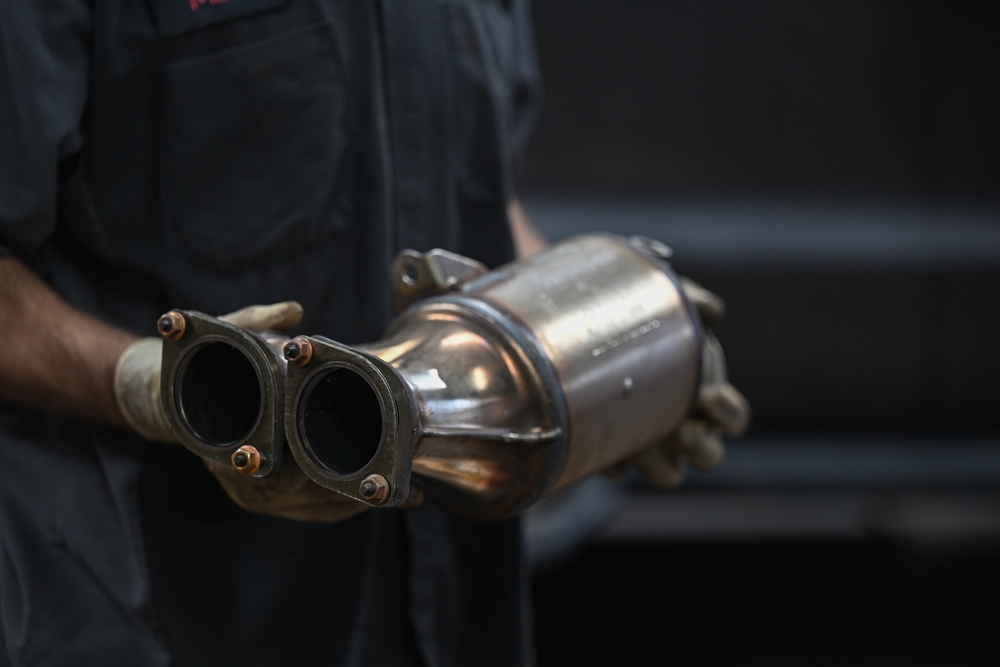
If your vehicle’s catalytic converter has failed, or worse, been stolen, you’re not alone. As emission standards tighten and precious metal prices rise, catalytic converter replacements have become one of the costliest exhaust repairs for drivers in 2026.
But how much should you expect to pay? The short answer: it depends. The type of converter, your vehicle’s make and model, and even where you live can all significantly impact the total cost.
Price Breakdown: Part Cost vs. Labor Cost
Replacing a catalytic converter involves two main expenses: the part itself and the labor to install it. Here’s a quick breakdown of what you can expect in 2026:
| Category | Average Cost Range (USD) | Details |
|---|---|---|
| Federal Catalytic Converter (EPA-Compliant) | $400 – $1,500 | Standard converters approved for use in 49 states. Affordable and widely available. |
| CARB-Compliant Catalytic Converter | $1,200 – $3,000 | Required in CARB states. Includes more precious metals for stricter emissions control. |
| Labor Cost (Installation) | $100 – $200 per hour | Most jobs take 1.5–3 hours, depending on vehicle type and exhaust design. |
| Total Replacement Estimate | $800 – $2,500+ | Average for most vehicles; luxury or hybrid models can exceed $3,000. |
Why CARB-Compliant Converters Cost More Than Federal Ones
The main price difference between catalytic converters comes down to emissions certification. Federal (EPA) converters meet nationwide standards and are legal in most states, making them more affordable and widely available.
CARB-compliant converters, however, must meet stricter emissions rules enforced in states like Colorado, New York, and California. They undergo extensive testing and contain higher amounts of precious metals to achieve cleaner exhaust output and longevity, the CARB warranty is 2.5 times longer than Federal. This advanced engineering and material quality significantly increase production costs, which is why CARB-certified converters are priced higher — but are essential for legal compliance in regulated states.
How Your Vehicle’s Make and Model Impacts the Price
Not all catalytic converters are built the same. Factors like engine size, exhaust design, and emissions standards for each vehicle type can cause big price differences.
| Vehicle Type / Model | Average Converter Cost (USD) | Reason for Price Difference |
|---|---|---|
| Compact Cars (Honda Civic, Toyota Corolla) | $400 – $1,000 | Smaller engines and simpler exhaust systems mean lower material and labor costs. |
| Mid-Size SUVs (Ford Explorer, Toyota Highlander) | $900 – $1,800 | Larger engines require bigger converters with more precious metals. |
| Trucks (Ford F-150, Chevy Silverado) | $1,000 – $2,500 | Heavier loads and dual exhaust setups increase cost and installation time. |
| Luxury Vehicles (BMW, Lexus, Audi) | $1,800 – $3,000+ | Specialized designs, brand-specific parts, and higher-grade materials raise the price. |
| Hybrid or Electric-Assisted Models (Prius, hybrid SUVs) | $1,200 – $2,800 | Converters must handle unique exhaust temperatures and efficiency standards. |
For diesel truck owners, universal EPA-grade diesel converters represent the higher end of material needs and sizing.
Does Insurance Cover Catalytic Converter Replacement?
Insurance coverage for catalytic converter replacement depends on how the damage occurred. If the unit was stolen, comprehensive coverage usually pays for the replacement after your deductible, which is especially helpful given rising theft rates. Damage from an accident may be covered under collision insurance. However, failures caused by age, wear, or internal breakdowns are typically excluded, as they’re considered routine maintenance. Before paying out of pocket — particularly for costly CARB-certified converters — it’s smart to confirm coverage with your insurance provider.
How Long Does a Catalytic Converter Last? Lifespan and Failure Causes
Coverage depends on what caused the damage. Stolen converters are usually covered under comprehensive insurance after your deductible. Damage from accidents may fall under collision coverage. However, failures from wear, age, or internal issues typically aren’t covered. Because CARB-compliant replacements can be expensive, checking with your insurer first can help avoid unexpected costs.
The Average Lifespan of a Catalytic Converter
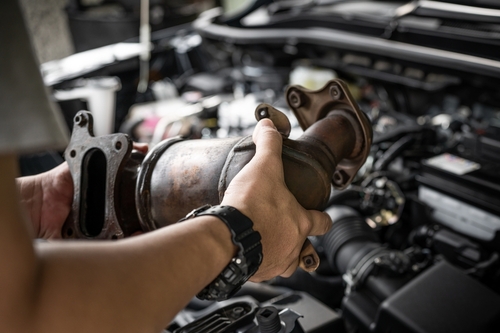
Most catalytic converters last between 70,000 and 100,000 miles, though many modern vehicles exceed this range with proper care. OEM converters typically last longer due to higher material quality and precise manufacturing. Lifespan is closely tied to engine health and routine maintenance.
Regular oil changes, fixing misfires quickly, and maintaining proper fuel balance help extend converter life. If warning lights appear or performance drops, early inspection can prevent costly damage.
Top Factors That Cause a Catalytic Converter to Go Bad
Most converter failures stem from engine-related problems rather than the converter itself. Common causes include:
• Engine misfires overheating internal components
• Fuel or oil contamination damaging the catalyst surface
• Exhaust blockages increasing pressure and heat
• Physical impacts cracking the housing or substrate
Consistent maintenance helps stop these issues before serious failure occurs.
How Driving Habits Impact Your Catalytic Converter's Health
Short, frequent trips often prevent the converter from reaching cleaning temperatures, allowing carbon buildup to form over time. This can reduce efficiency and eventually cause clogging.
Longer highway drives help maintain optimal heat levels, allowing the converter to burn off deposits naturally. However, aggressive acceleration sends excess fuel into the exhaust system, increasing overheating risks. Smooth driving and steady speeds support longer converter life.
What Causes a Catalytic Converter To Go Bad
Beyond normal wear, several mechanical issues speed up deterioration:
• Rich fuel mixtures flood the exhaust with hydrocarbons
• Faulty oxygen sensors are disrupting the air-fuel balance
• Exhaust leaks reduce filtration efficiency
• Worn ignition parts are causing incomplete combustion
Fixing these problems early can prevent replacement costs that often exceed $1,000.
Symptoms of a Failing vs. a Clogged Catalytic Converter
Early failure signs include sluggish acceleration, reduced fuel economy, warning lights, and sulfur-like odors. These symptoms typically develop gradually.
Clogged converters cause more severe issues such as rattling sounds, stalling, overheating, and difficulty reaching higher speeds. Restricted exhaust flow can lead to major engine damage if ignored.
If any of these warning signs appear, prompt inspection helps protect both your vehicle’s performance and your wallet.
Finding the Right New York-Compliant Catalytic Converter for Your Vehicle
Meeting New York State emissions standards is essential as inspections become more rigorous. Choosing the correct catalytic converter ensures legal compliance, protects engine performance, and prevents failed inspections. A properly matched converter also supports cleaner exhaust output and long-term vehicle reliability.
Why NYS Inspection Requires a Compliant Catalytic Converter
New York follows emissions rules similar to CARB-regulated states, requiring state-approved catalytic converters for registered vehicles. A compliant model reduces harmful pollutants more efficiently and keeps your emissions system operating within legal limits. Installing a non-approved converter often results in inspection failure, warning lights, and additional repair costs, making proper certification critical.
A Step-by-Step Guide to Choosing the Correct Model
• Confirm vehicle year, make, model, engine, and emissions type
• Select the correct converter style (direct-fit, manifold, or universal)
• Verify New York compliance labeling
• Ensure OBD system compatibility
• Review installation requirements
• Compare durability and emissions performance
Key Features to Look For in a Quality NY-Compliant Converter
• Stainless steel construction for corrosion resistance
• Heat-resistant internal substrates
• Higher precious metal content for cleaner emissions
• OEM-style direct-fit design
• Clear compliance documentation
• Manufacturer-backed fitment support
Will a Bad Catalytic Converter Make You Fail a Smog Test?
A catalytic converter plays a critical role in controlling your vehicle’s emissions. When it starts to fail, your car may still run normally, but pollution levels often exceed legal limits. Modern smog testing equipment and onboard diagnostics are designed to catch converter inefficiencies, making it extremely difficult to pass an inspection with a failing unit.
How a Catalytic Converter Affects Your Vehicle's Emissions
The converter transforms harmful exhaust gases into safer compounds before they exit the system, keeping emissions within state standards.
When performance drops, untreated pollutants increase and oxygen sensors usually trigger a check-engine light. Because smog tests scan diagnostic codes and emissions output, any converter efficiency issue typically results in automatic failure.
The Most Common Smog Test Failures Related to Catalytic Converters
Common converter-related problems include:
• Elevated hydrocarbon, carbon monoxide, or NOx levels
• Efficiency fault codes from oxygen sensors
• Active check-engine lights tied to emissions
• Internal coating damage reducing chemical reactions
• Restricted exhaust flow affecting combustion
Any of these conditions can prevent a vehicle from meeting inspection requirements.
Can You Pass a Smog Test with a Faulty Converter?
Smog stations easily detect poor catalytic performance through sensor data and emissions measurements. Vehicles with inefficient or missing converters almost always fail testing.
Systems also check for removed or bypassed converters, making it virtually impossible to pass when the component is not functioning correctly or installed at all.
What to Do If You Fail Because of Your Catalytic Converter
If test results indicate converter issues, professional diagnostics help determine whether the unit is worn, damaged, or incorrectly matched. Catalytic converters cannot be repaired internally and must be replaced.
Installing a properly certified converter that meets your state’s emissions standards is the most reliable way to pass a retest and restore emissions performance.
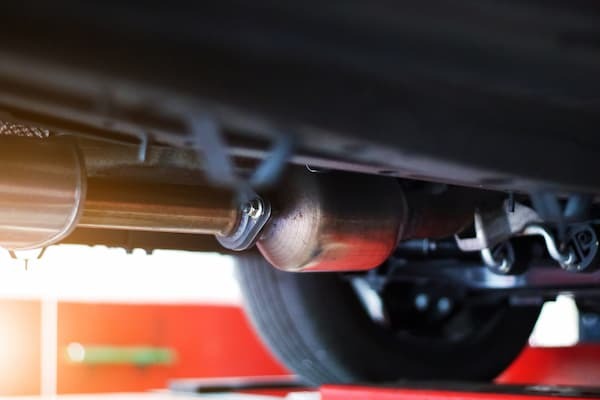
OEM vs. Aftermarket Catalytic Converters: Which is Right for You?
When replacing a catalytic converter, drivers usually choose between an OEM (Original Equipment Manufacturer) part or an aftermarket alternative. El derecho de opción depende del presupuesto, edad del vehículo y requisitos de emisiones. Ambos pueden restaurar el rendimiento si se seleccionan e instalan adecuadamente.
What is an OEM Catalytic Converter?
An OEM catalytic converter is the factory-installed component designed specifically for your vehicle’s exact make and model. It matches original performance, fit, and emissions specifications, ensuring reliable operation and full regulatory compliance.
OEM converters are built with high-quality materials and precise engineering, which typically results in long service life and consistent emissions control. However, this precision comes at a premium cost, especially when purchased through dealerships or manufacturers.
The Benefits of Choosing an Aftermarket Catalytic Converter
Aftermarket converters are produced by third-party manufacturers and offer a cost-effective replacement option. They’re available in many configurations to fit a wide range of vehicles.
Advantages of Aftermarket Converters
• Affordability: Often hundreds less than OEM options
• Availability: Easier to source from multiple suppliers
• Flexibility: Offered in direct-fit and universal styles
Quality varies by brand, so selecting a properly certified and well-constructed aftermarket converter is essential to avoid reduced lifespan or emissions issues.
Comparing Cost, Warranty, and Performance
Cost
OEM converters typically cost significantly more due to factory specifications and higher precious metal content. Aftermarket options are generally far more affordable while still offering compliant performance when sourced from reputable manufacturers.
Warranty
OEM replacement converters often include limited coverage, commonly around one year. Aftermarket warranties vary widely (2-5 years), with some reputable brands offering multi-year protection, signaling confidence in durability.
Performance and Compliance
OEM units deliver exact factory performance. High-quality aftermarket converters can match this level when certified to meet EPA or CARB standards. Lower-quality options may struggle with emissions control and longevity.
How to Ensure Your Aftermarket Converter is Compliant
Emissions certification is critical when selecting an aftermarket converter. Some meet federal EPA standards, while others carry stricter CARB approval for regulated states.
Key steps include:
1. Check certifications for EPA or CARB approval
2. Match vehicle specifications precisely
3. Consult professionals when regulations are complex
Choosing a certified, well-matched converter ensures emissions compliance, protects performance, and prevents costly inspection failures.
Shop State-Compliant Catalytic Converters
Choosing the right catalytic converter ensures your vehicle stays emissions-compliant while delivering reliable performance and long-term durability. At Hottexhaust, we provide certified, vehicle-specific converters designed to meet strict state regulations without sacrificing quality. Explore compliant options backed by expert fitment support and dependable warranties to keep your car running clean and passing inspections with confidence.