
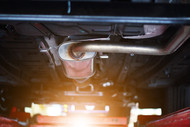
Choosing Between Direct-Fit And Universal Catalytic Converters For Your Vehicle
Posted by HottExhaust on 17th Jun 2026
Replacing a catalytic converter involves more than simply finding a part that fits your exhaust system. The type of converter you choose can affect installation time, labor costs, emissions compliance, and long-term reliability. Understanding the differences between direct-fit and universal options helps vehicle owners make informed decisions based on their budget, vehicle setup, and replacement goals.
Understanding The Differences Between Direct-Fit And Universal Converters
Choosing the right replacement starts with understanding how each converter type is designed to fit and function within your vehicle’s exhaust system. While both options help reduce harmful emissions, their installation methods and compatibility requirements differ significantly.
What Makes A Direct-Fit Catalytic Converter Different?
A direct-fit catalytic converter is engineered to match specific vehicle applications, including factory mounting points, oxygen sensor locations, and exhaust routing. These units are designed for easier installation because they align closely with the original exhaust configuration without requiring extensive modifications.
For many drivers, direct-fit systems help simplify replacement by reducing guesswork during installation. They are especially useful for newer vehicles, daily commuters, and drivers who want a more straightforward replacement process that closely mirrors OEM design standards.
How Universal Catalytic Converters Are Installed
Universal catalytic converters are designed to work across a wider range of vehicles, but installation usually requires cutting, welding, or fabrication to match the exhaust system properly. Unlike vehicle-specific options, universal models do not arrive pre-configured for exact mounting alignment, making it essential to know the proper catalytic converter replacement process beforehand to help drivers prepare for installation requirements.
Because of this, installation often depends on pipe sizing, exhaust layout, and available fabrication equipment. These converters are commonly selected for custom exhaust systems, older vehicles, or applications where direct-fit options may be limited.
Comparing Cost, Convenience, And Compatibility
Universal converters often have a lower upfront purchase price, but installation costs can increase if welding or additional fabrication is required. Direct-fit systems may cost more initially, yet they can reduce labor time because they are designed around factory exhaust geometry.
Compatibility also plays an important role. Vehicle-specific converters typically provide more predictable alignment and sensor placement, while universal options require careful measurements to ensure proper exhaust flow and secure installation.
Which Catalytic Converter Option Is Best For Your Needs?
The best replacement depends on your vehicle, installation expectations, and long-term ownership plans. Some drivers prioritize installation convenience, while others focus on budget flexibility or custom exhaust compatibility.
Benefits Of Direct-Fit Converters For Daily Drivers
For most daily-driven vehicles, direct-fit catalytic converters offer a practical balance of convenience and reliability. Because they are engineered for specific makes and models, these systems can help reduce installation complications and minimize the need for exhaust modifications.
Drivers replacing factory emissions components often prefer direct-fit options because they support OEM-style alignment and more consistent fitment. They are also commonly recommended for vehicles requiring precise emissions-system compatibility.
When Universal Catalytic Converters May Be A Practical Choice
A universal catalytic converter may be a suitable option for vehicles with custom exhaust systems, older platforms, or applications where factory-style replacements are difficult to source. Experienced installers can modify these systems to accommodate unique exhaust layouts or specialized performance setups.
Universal models may also appeal to drivers seeking lower initial part costs, particularly when fabrication work is already planned as part of a broader exhaust repair or modification project.
Factors That Affect Long-Term Performance And Durability
Long-term performance depends on more than converter style alone. Proper installation, accurate fitment, engine condition, and emissions-system health all influence how effectively a converter performs over time.
Engine condition, exhaust leaks, and improper installation can all affect long-term converter reliability. Understanding what impacts catalytic converter lifespan can help drivers choose replacement options better suited for long-term performance.
Choosing the correct converter type for your vehicle’s configuration helps support stable exhaust flow and dependable emissions performance under everyday driving conditions.
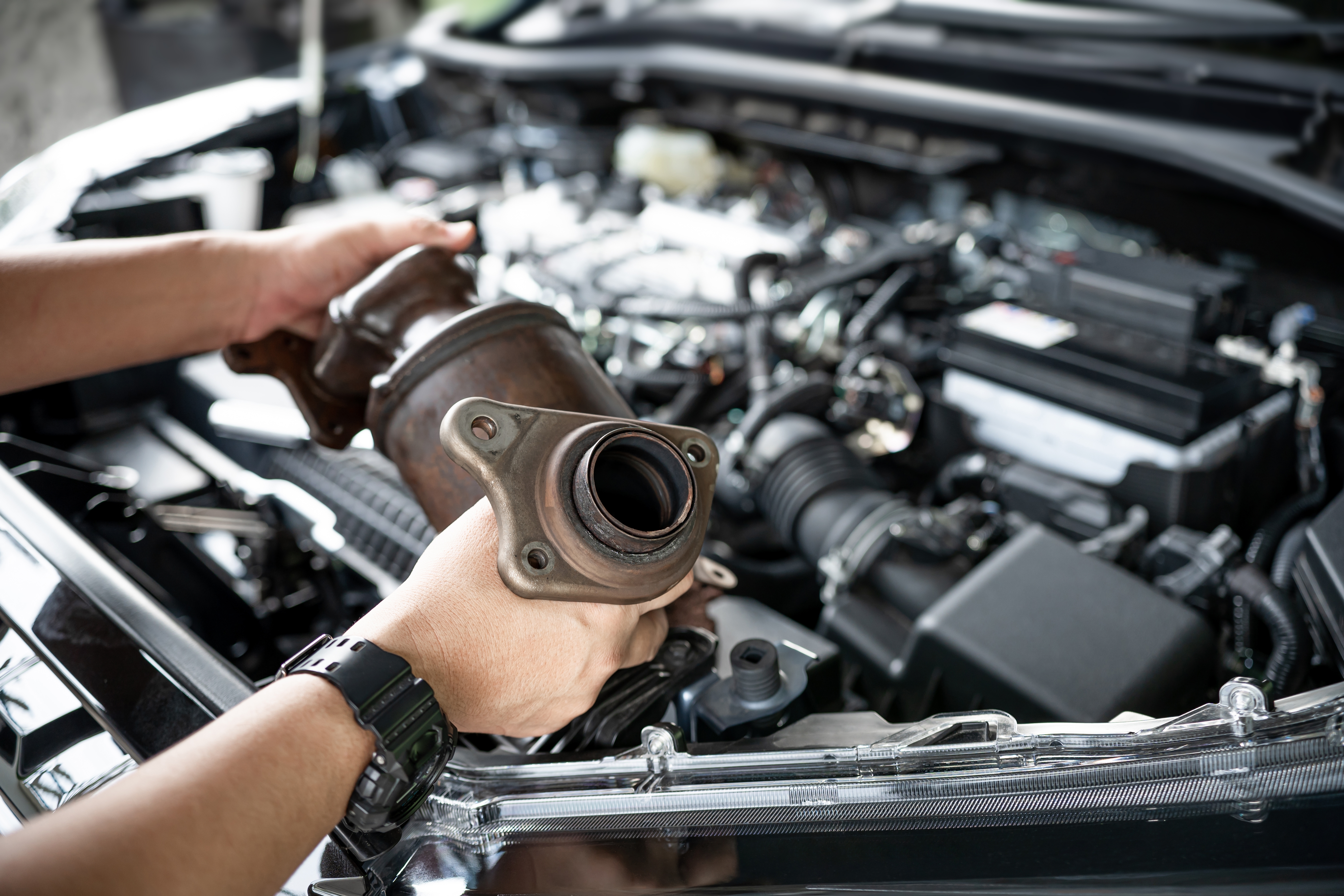
Selecting The Right Catalytic Converter For Proper Installation And Compliance
Before purchasing a replacement converter, it is important to confirm both fitment requirements and emissions regulations for your vehicle. Taking time to verify compatibility helps avoid installation issues, warning lights, and inspection complications later.
Matching Converter Types To Vehicle Specifications
Vehicle year, engine size, drivetrain configuration, and exhaust layout all affect catalytic converter compatibility. Some vehicles require highly specific mounting locations and sensor positioning, making direct-fit systems the preferred solution for accurate alignment.
For modified or custom exhaust systems, universal configurations may offer greater flexibility when properly installed by an experienced technician. Reviewing vehicle specifications carefully helps ensure the replacement matches your exhaust system requirements.
Understanding Emissions Compliance Requirements Before Purchase
Certain states, including California and New York, require CARB-approved catalytic converters for qualifying vehicles. Drivers should always verify whether their state follows Federal or CARB emissions standards before selecting a replacement.
Choosing a compliant converter helps support successful emissions testing and proper system operation. Reviewing certification details and vehicle application information before installation can help prevent compatibility or inspection-related problems.
Why HottExhaust Is A Reliable Source For Direct-Fit And Universal Catalytic Converters
At HottExhaust, we offer a wide selection of direct-fit and universal catalytic converters designed for dependable compatibility across a variety of vehicle applications. Whether you need a vehicle-specific replacement or a flexible universal option for a custom setup, our inventory includes solutions built to support reliable exhaust performance and emissions compliance.
Our team helps drivers like you identify the right catalytic converter replacement based on vehicle specifications, installation goals, and state emissions requirements. With fast shipping, fitment support, and access to Federal and CARB-compliant options, finding the right replacement becomes a more confident and efficient process.