
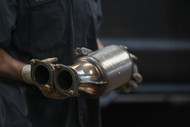
What Happens If You Install the Wrong Catalytic Converter?
Posted by HottExhaust on 20th May 2026
Installing the correct catalytic converter is essential for maintaining your vehicle’s performance, efficiency, and compliance with emissions regulations. When the wrong catalytic converter is installed, it can lead to a wide range of mechanical, legal, and performance-related problems. Because this component plays a critical role in filtering exhaust gases and supporting proper emission systems, even minor compatibility issues can quickly lead to costly repairs.
Understanding the risks and how to avoid them can help you protect your vehicle and your investment.
Common Issues Caused by Installing the Wrong Catalytic Converter
Using the incorrect converter can disrupt how your engine and exhaust system function. From warning lights to structural damage, these problems often appear quickly after installation and should not be ignored.
Check engine light activation: A mismatched unit often triggers a catalytic converter check engine light due to incorrect readings from oxygen sensors
Unusual odors: A sulfur-like smell, often compared to rotten eggs, can indicate incomplete processing of exhaust gases
Poor emissions control: The system may fail to reduce harmful emissions effectively, leading to a catalytic converter issue
Engine misfires or rough operation: Incorrect airflow and fuel mixture balance can impact combustion
Increased wear on components: Prolonged catalytic converter installation issues can damage surrounding exhaust parts
Check Engine Lights and Diagnostic Trouble Codes
One of the earliest signs of installing the wrong catalytic converter is the check engine light coming on. Modern vehicles rely on oxygen sensors to monitor exhaust gases before and after the converter. If the installed unit does not match the vehicle’s specifications, the system detects irregularities and stores diagnostic trouble codes. These codes often indicate inefficiencies in emissions processing or improper airflow within the exhaust system.
Reduced Engine Performance and Fuel Efficiency
A mismatched or clogged catalytic converter can restrict airflow, reducing engine performance and fuel efficiency. When exhaust gases cannot flow freely, the engine must work harder, disrupting the fuel mixture and overall combustion process. Drivers may notice sluggish acceleration, decreased power, or difficulty maintaining speed. Over time, this can increase fuel consumption and strain engine components.
Fitment Problems and Exhaust System Damage
Improper catalytic converter compatibility can also lead to physical installation problems. A unit that does not align with your vehicle’s exhaust layout may require forced adjustments, which can damage pipes, mounts, or connections. In severe cases, this can result in leaks, vibrations, or even long-term structural damage to the exhaust system.
Legal and Emissions Consequences of Incorrect Installation
Beyond mechanical concerns, installing the wrong converter can have serious legal and environmental implications. Emission systems are strictly regulated, and non-compliant components can put drivers at risk.
Failing Emissions Tests and Inspections
If your vehicle is equipped with the wrong or low-quality replacement catalytic converter, it may fail emissions testing. Since converters are designed to reduce harmful emissions, any inefficiency can cause your vehicle to exceed allowable limits. This is especially critical in regions with strict inspection standards.
Fines and Penalties for Non-Compliant Converters
Using non-compliant or improperly installed aftermarket catalytic converters can lead to fines or penalties. Regulatory agencies enforce emissions laws to protect the environment, and violations may result in costly consequences. Additionally, some jurisdictions may require immediate replacement before allowing the vehicle back on the road.
Differences Between Federal and CARB Requirements
Federal (EPA) Catalytic Converters:
Approved for use in most U.S. states
Follow standard federal emissions regulations
Less strict certification and testing requirements
Allow more flexibility in fitment and application
Typically, more widely available and cost-effective
CARB-Compliant Catalytic Converters:
Required in California and CARB-adopting states
Regulated by the California Air Resources Board
Must have an Executive Order (EO) number for approval
Built to meet stricter emissions reduction standards
Designed for specific vehicle applications with limited flexibility
Subject to stricter emissions testing and inspection rules
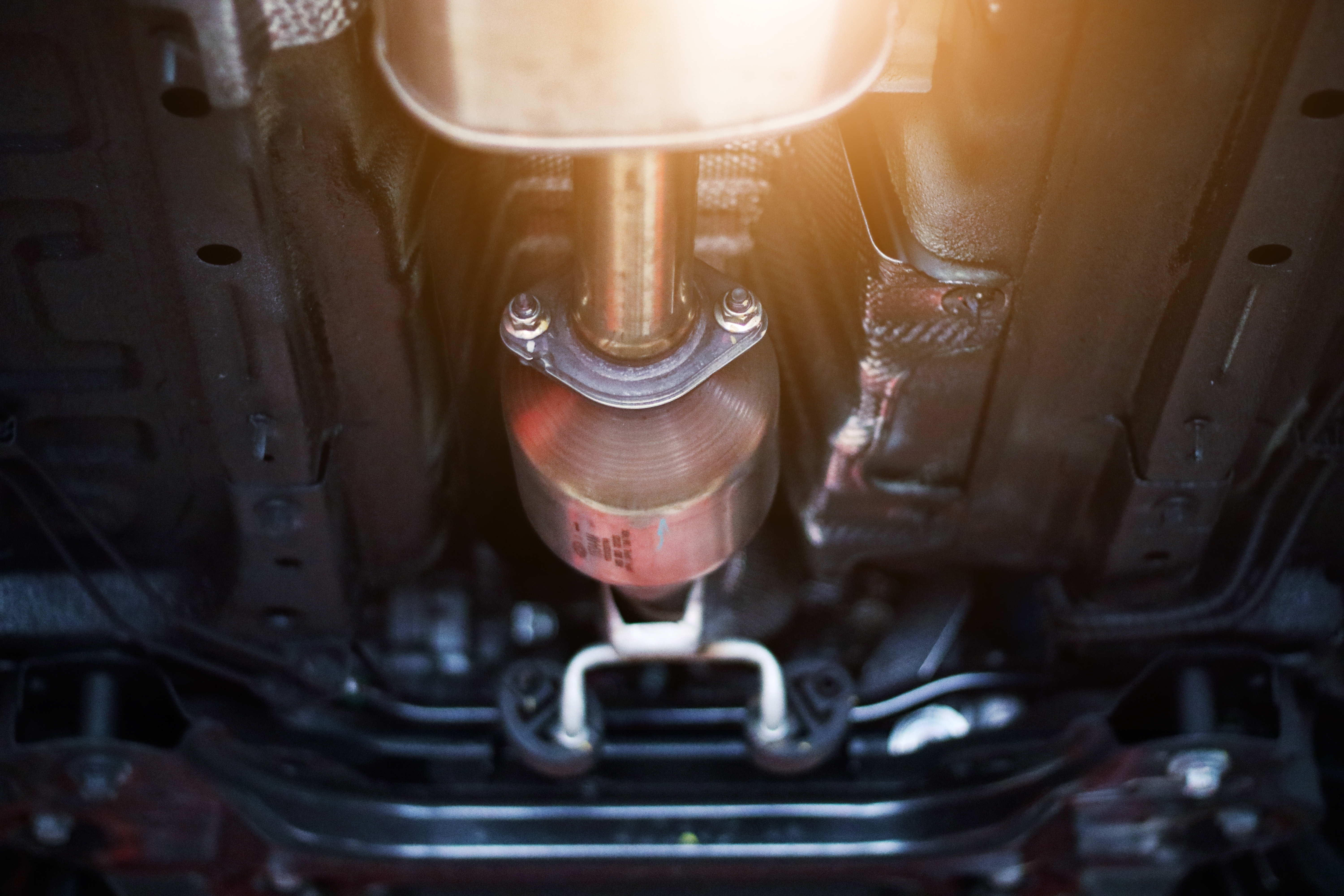
How to Ensure You Choose the Right Catalytic Converter
Avoiding these issues starts with selecting the correct converter for your vehicle. Paying attention to compatibility, design, and quality can help you prevent costly mistakes.
Matching the Converter to Your Vehicle’s Make, Model, and Engine
Ensuring proper catalytic converter compatibility means selecting a unit specifically designed for your vehicle’s make, model, engine size, and year. Even slight differences can affect how exhaust gases are processed. Always verify part numbers and specifications before purchasing to avoid a catalytic converter issue later on.
Understanding Direct-Fit vs Universal Catalytic Converters
When comparing a direct fit vs universal catalytic converter, the differences are significant:
Direct-fit converters: Designed to match your vehicle exactly, requiring minimal or no modification
Universal catalytic converter options: More flexible but often require welding or fabrication
Ease of installation: Direct-fit models reduce installation risks and errors
Performance consistency: Properly fitted units maintain optimal exhaust flow and efficiency
Choosing the correct type can help avoid compatibility problems and ensure long-term reliability.
Why HottExhaust Is a Reliable Source for the Right Catalytic Converter for Your Vehicle
Selecting a high-quality catalytic converter from a trusted supplier is essential for both performance and compliance. HottExhaust offers a wide range of aftermarket catalytic converters designed to meet federal and CARB standards, making it easier to find the right fit for your vehicle. Their catalog includes options engineered with durable materials and optimized precious metal content to support efficient emission systems and long-lasting performance.
By choosing a properly matched replacement catalytic converter, you can avoid issues like engine misfires, reduced engine performance, and failed emissions testing. More importantly, you ensure your vehicle continues to operate safely and efficiently without the risks associated with driving with a bad catalytic converter.
Find the Right Converter Today
HottExhaust offers high-quality catalytic converters designed for proper fit, compliance, and performance. Browse the selection to find the right part for your vehicle or contact us at 1-800-288-7730 for assistance.