

CARB vs EPA Emissions Standards Explained for Vehicle Owners
Posted by HottExhaust on 20th May 2026
If you’ve ever searched for a replacement catalytic converter, you’ve likely come across the debate around CARB vs EPA emissions standards. Understanding the difference isn’t just technical; it directly impacts whether your vehicle stays legal, passes inspection, and performs properly.
Put simply, both systems regulate vehicle emissions in the U.S., but they operate at different levels and with different strictness. Knowing how they compare helps you avoid costly mistakes, especially when choosing an emissions-compliant catalytic converter.
Understanding CARB and EPA Emissions Standards
Before choosing parts or making upgrades, it’s important that you understand how these two systems work and why they matter for your vehicle.
What Are EPA Emissions Standards and How Do They Work?
The EPA (Environmental Protection Agency) sets the rules for vehicle emissions at the federal level across the United States. They control vehicle pollution by limiting the amount of specific harmful gases that can be emitted. These regulations apply in most states and establish the minimum requirements that vehicles and replacement parts must meet to stay compliant.
In simple terms, EPA standards are designed to make sure cars don’t release excessive harmful gases into the air. Here’s how it works:
- They establish limits on pollutants like carbon monoxide, nitrogen oxides, and unburned fuel.
- EPA standards apply to different types of vehicles, from cars to trucks.
- These rules require manufacturers to meet durability and performance standards, ensuring parts continue to function properly over time, not just when they’re new.
For replacement parts like catalytic converters, EPA compliance generally means:
- The part meets federal emissions requirements
- It works with a wide range of vehicles
- It can legally be sold and installed in most states
Overall, EPA standards set the baseline for emissions control, making sure vehicles meet acceptable environmental and performance levels without being overly restrictive.

What Are CARB Regulations and Why Are They Stricter?
CARB regulations are set by the California Air Resources Board and apply in California and other states that follow its emissions standards. These rules are designed to control how much pollution vehicles emit and ensure that replacement parts, such as catalytic converters, meet strict environmental requirements.
Unlike federal standards, CARB focuses on vehicle-specific compliance, meaning parts must be approved for exact makes, models, and engine types. Some of the main characteristics that define how CARB regulations work are:
- Vehicle-specific approval: Each part must be approved for a specific make, model, and engine type. This means you can’t just install any catalytic converter; it has to match your exact vehicle.
- Strict testing requirements: Parts are tested to ensure emissions performance matches or exceeds OEM standards
- Executive Order (EO) number: Each approved part has a unique EO number that serves as official proof that the part has been tested and meets CARB standards.
- Clear identification and traceability: CARB-compliant parts must include proper labeling so they can be easily identified and verified during inspections or installations.
CARB regulations are stricter because they aim to reduce pollution in areas with higher population density and poor air quality. By implementing tighter controls and requiring detailed testing, CARB ensures that vehicles maintain low emissions over time. This results in cleaner air, but also means parts must meet higher standards compared to EPA-only options.
Key Differences Between CARB and EPA Requirements
At a high level, the difference between CARB and EPA standards comes down to how strict the rules are and how precisely they are applied to each vehicle.
EPA standards provide a broader framework. They set general limits on emissions and allow manufacturers more flexibility in how parts are designed and used across different vehicles. This makes EPA-compliant parts easier to produce and more widely compatible, but also less controlled in terms of exact fitment and performance consistency.
CARB regulations, on the other hand, are far more specific. Instead of approving parts for general use, they require each component to be tested and approved for individual vehicle applications. This means a catalytic converter must be proven to work with a specific make, model, engine size, and model year. That level of detail ensures the part will perform exactly as intended in real-world conditions.
Why Emissions Compliance Matters for Your Vehicle
Choosing between federal and CARB-compliant parts isn’t just about regulations; it directly impacts your vehicle’s legality, performance, and long-term reliability. Different states follow different rules: CARB states require stricter, vehicle-specific components, while most other states allow EPA-compliant options.
Installing the wrong type of catalytic converter can lead to failed emissions tests, potential fines, and the added cost of replacing the part again. That’s why it’s important to confirm your state’s requirements before making a purchase, ensuring your vehicle stays compliant and runs as expected.
Legal Requirements for Catalytic Converters by State
Catalytic converter laws vary depending on the state your vehicle is registered in, and understanding these rules is essential before replacing your converter.
In CARB states, catalytic converters must meet stricter, vehicle-specific standards. This means the part must be approved for your exact make, model, engine, and year. States that follow full CARB requirements include:
- California
- New York
- Colorado
- Maine
- Maryland
- Massachusetts
- New Jersey
- Oregon
- Rhode Island
- Vermont
- Washington
- Washington, D.C.
Installing a converter that doesn’t meet your state’s requirements can lead to:
- Failed emissions or smog inspections
- Fines or legal penalties
- Having to remove and replace the part again
In non-CARB states, EPA-compliant catalytic converters are generally allowed, giving you more flexibility when choosing a replacement part. However, because regulations can vary and sometimes change, it’s always best to confirm your state’s requirements before purchasing a catalytic converter to avoid unnecessary costs and compliance issues.
How Non-Compliant Parts Can Affect Performance and Inspections
Using a non-compliant catalytic converter can lead to both legal and performance-related issues. While the part may physically fit your vehicle, it may not properly regulate emissions, which can disrupt how your engine operates and trigger system warnings. Common issues include:
- A persistent check engine light
- Reduced fuel efficiency,
- Higher emissions output
- Failure during smog or inspection tests.
In stricter states, these problems are even more likely, as vehicles are held to tighter standards and any mismatch in emissions performance can quickly result in a failed inspection.
Risks of Installing Non-Certified Catalytic Converters
Choosing a non-certified catalytic converter may seem like a way to save money upfront, but it often leads to higher costs over time. These parts aren’t tested to meet emissions standards, so they may not work properly with your vehicle, affecting performance and emissions control. They can also cause issues during inspections and create legal complications.
Some key risks include:
- Failed emissions or smog inspections
- Voided warranties
- Reduced performance
- Higher emissions
- Legal or registration issues
If your vehicle fails an emissions test, you may need to replace the part again, adding extra cost and time.
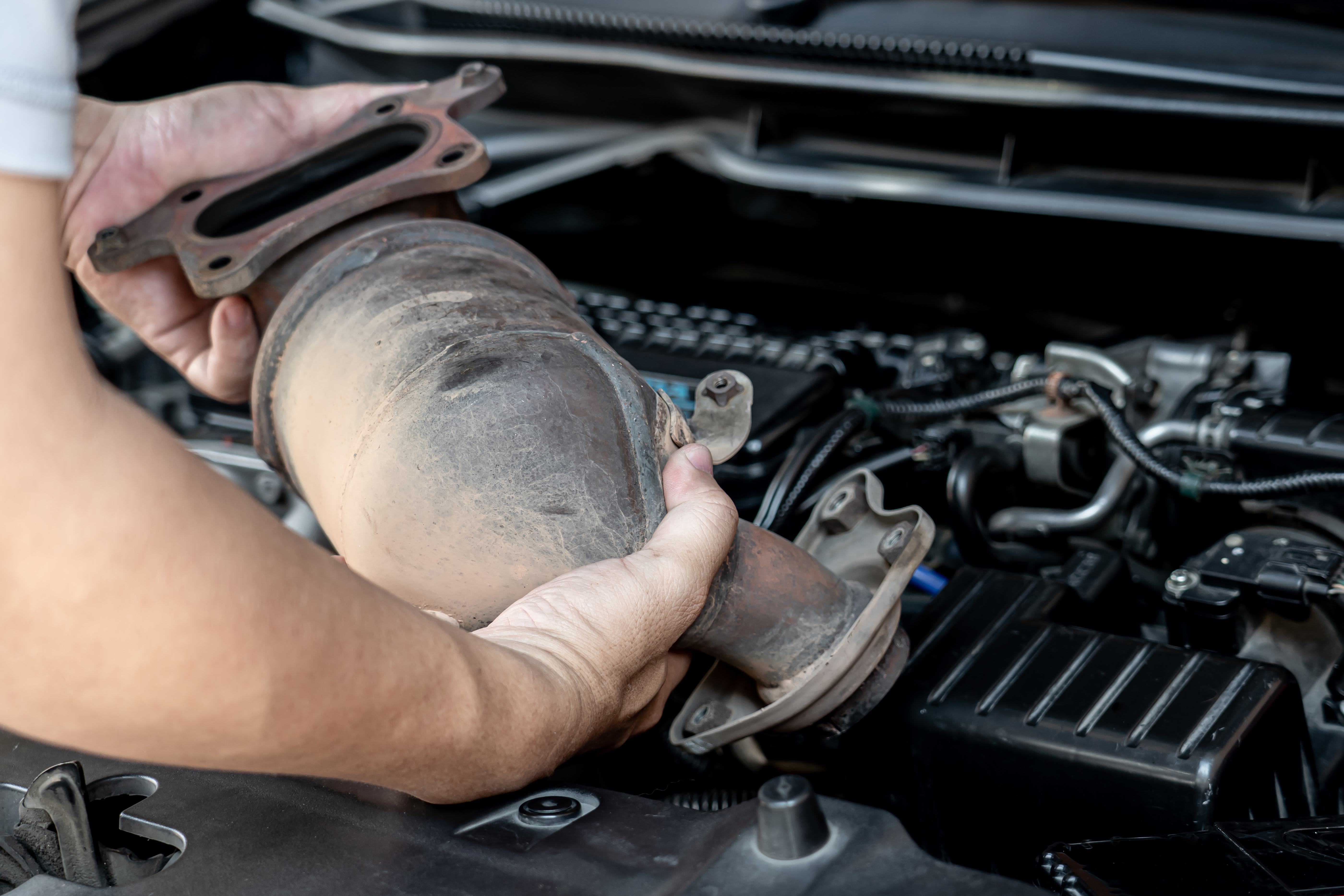
Choosing the Right Catalytic Converter for Compliance
Choosing the right catalytic converter isn’t just about fitment; it’s about making sure your vehicle meets the correct emissions standards based on where you live. With both federal and CARB-compliant options available, understanding when each one applies can help you avoid costly mistakes and ensure long-term reliability.
When You Need a CARB-Compliant vs EPA-Compliant Converter
The type of catalytic converter you need depends primarily on your vehicle’s registration state and its emissions requirements.
If your vehicle is registered in a CARB state, you are required to install a CARB-compliant catalytic converter that is approved for your exact vehicle. These parts are designed to meet stricter standards and are necessary to pass inspections in those regions.
On the other hand, if you live in a non-CARB state, an EPA-compliant converter is typically sufficient. These parts meet federal requirements and offer a more flexible and often more cost-effective solution. Understanding this distinction is key when comparing a federal vs CARB catalytic converter, as using the wrong one can lead to compliance issues.
How to Identify Certified Catalytic Converters for Your Vehicle
Once you know which type of converter you need, the next step is making sure the part is properly certified for your vehicle. Not all catalytic converters on the market meet the same standards, so verifying compliance is essential.
Here are a few things to check before purchasing:
- Certification details: CARB-compliant parts should include a valid EO number, while EPA-compliant parts should clearly state federal compliance
- Vehicle compatibility: Always confirm the part matches your vehicle’s make, model, engine size, and year
- Product labeling: Certified converters include proper identification for verification during inspections
- Trusted manufacturers: Look for reputable brands that clearly outline emissions compliance and testing standards
Paying attention to these details helps ensure you’re selecting an emissions compliant catalytic converter that will perform correctly and pass inspections without issues.
Why HottExhaust Is a Trusted Source for CARB and EPA Compliant Catalytic Converters
Finding the right catalytic converter can feel overwhelming, especially when navigating different regulations and product options. That’s why working with a trusted supplier makes a significant difference.
HottExhaust offers a wide selection of catalytic converters that meet both federal and CARB requirements, with clear product information to help you choose the right fit for your vehicle. If you’re unsure which option is best for your vehicle, reaching out to a knowledgeable team can help you make a confident, compliant decision and invest in a part that will perform as expected over time.