
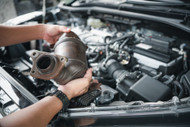
Common Catalytic Converter Misconceptions That Can Lead To Emissions Compliance Issues
29th Jul 2026
Replacing a catalytic converter may seem straightforward, but many vehicle owners unknowingly make decisions based on outdated information or common misconceptions. What appears to be a simple replacement can quickly become complicated when emissions regulations, vehicle-specific requirements, and state laws come into play.
At HottExhaust, we've seen firsthand how misunderstandings about catalytic converters can lead to failed inspections, unnecessary expenses, and replacement parts that don't meet local requirements. Understanding the facts can help you avoid costly mistakes and ensure your vehicle remains compliant, reliable, and road-ready.
Popular Catalytic Converter Myths That Can Cause Costly Mistakes
When it comes to replacing emissions-related components, assumptions can be expensive. Before purchasing a replacement converter, it's important to separate fact from fiction.
Myth: Any Catalytic Converter Will Fit And Function Properly
One of the most common misconceptions is that if a catalytic converter physically fits the vehicle, it will perform correctly. In reality, catalytic converters are designed around specific vehicle applications, engine configurations, and emissions requirements.
Modern emissions systems are highly sophisticated. A converter that appears compatible may not provide the emissions performance your vehicle's onboard systems expect. Installing the wrong converter can lead to warning lights, inspection failures, and ongoing drivability concerns.
Manufacturers design replacement converters to meet specific vehicle requirements, which is why selecting the correct part number is critical. A proper match helps ensure emissions performance remains consistent with the vehicle's original design.
Myth: Federal And CARB-Compliant Converters Are Interchangeable
Another common misunderstanding is that all replacement converters meet the same standards. While both federal and CARB-approved converters are designed to reduce harmful emissions, they are not always interchangeable.
Federal standards establish the minimum emissions requirements for most states. CARB-compliant units, however, must meet stricter testing and certification requirements and are often approved for specific vehicle applications.
If your vehicle is registered in a state that follows California emissions regulations, installing a federal-only converter may result in inspection failures and compliance issues. Understanding the distinction before purchasing can save significant time and money.
Myth: A Check Engine Light Will Automatically Disappear After Replacement
Many drivers assume that replacing a failed catalytic converter will instantly resolve a check engine light. While a damaged converter can certainly trigger warning codes, it isn't always the root cause of the problem.
Issues such as faulty oxygen sensors, exhaust leaks, ignition problems, or fuel system concerns can also affect emissions performance. If these underlying conditions aren't addressed, the warning light may return even after a new converter is installed.
For this reason, proper diagnostics should always be part of the replacement process. Identifying the original cause of failure helps prevent repeat repairs and protects your investment in a new converter.
How Catalytic Converter Compliance Requirements Actually Work
Understanding how emissions regulations apply to your vehicle can make the replacement process much easier. While the rules may seem complex at first, they generally revolve around three key factors: federal requirements, vehicle specifications, and state regulations.
Understanding Federal Vs CARB Emissions Standards
The United States Environmental Protection Agency (EPA) establishes federal emissions standards that apply in most states. Catalytic converters that meet EPA requirements are designed to satisfy these federal regulations and can generally be installed in states that do not follow California emissions rules.
California, however, operates under a separate program managed by the California Air Resources Board (CARB). CARB-compliant catalytic converters must undergo additional testing and approval processes and are certified for specific vehicle applications. Several states have adopted these stricter standards, meaning vehicles registered in those states must use a CARB-compliant converter rather than a federal-only option.
As a result, the correct converter depends largely on where your vehicle is registered. A federal or EPA-compliant converter may be perfectly legal in many states, but vehicles registered in CARB states typically require a CARB-approved converter to meet inspection and emissions requirements.
Why Vehicle Application, Engine Size, And Model Year Matter
Catalytic converters are not one-size-fits-all components. Vehicle manufacturers design emissions systems around specific engines, model years, and vehicle platforms.
Before selecting a replacement, several details must be verified:
• Vehicle make and model
• Engine size and configuration
• Model year
• Emissions certification requirements
• State registration requirements
Even minor differences between vehicle configurations can affect compatibility. Using the correct application helps ensure proper performance, compliance, and long-term durability.
How State Emissions Regulations Influence Replacement Decisions
State regulations play a major role in determining which catalytic converter can legally be installed. Some states follow federal standards, while others require stricter CARB-certified components.
Because requirements vary, vehicle owners should always confirm local regulations before making a purchase. This is especially important for vehicles that have been relocated between states or purchased from another region.
Taking a few extra minutes to verify applicable requirements can help prevent inspection failures, registration delays, and unexpected replacement costs later.
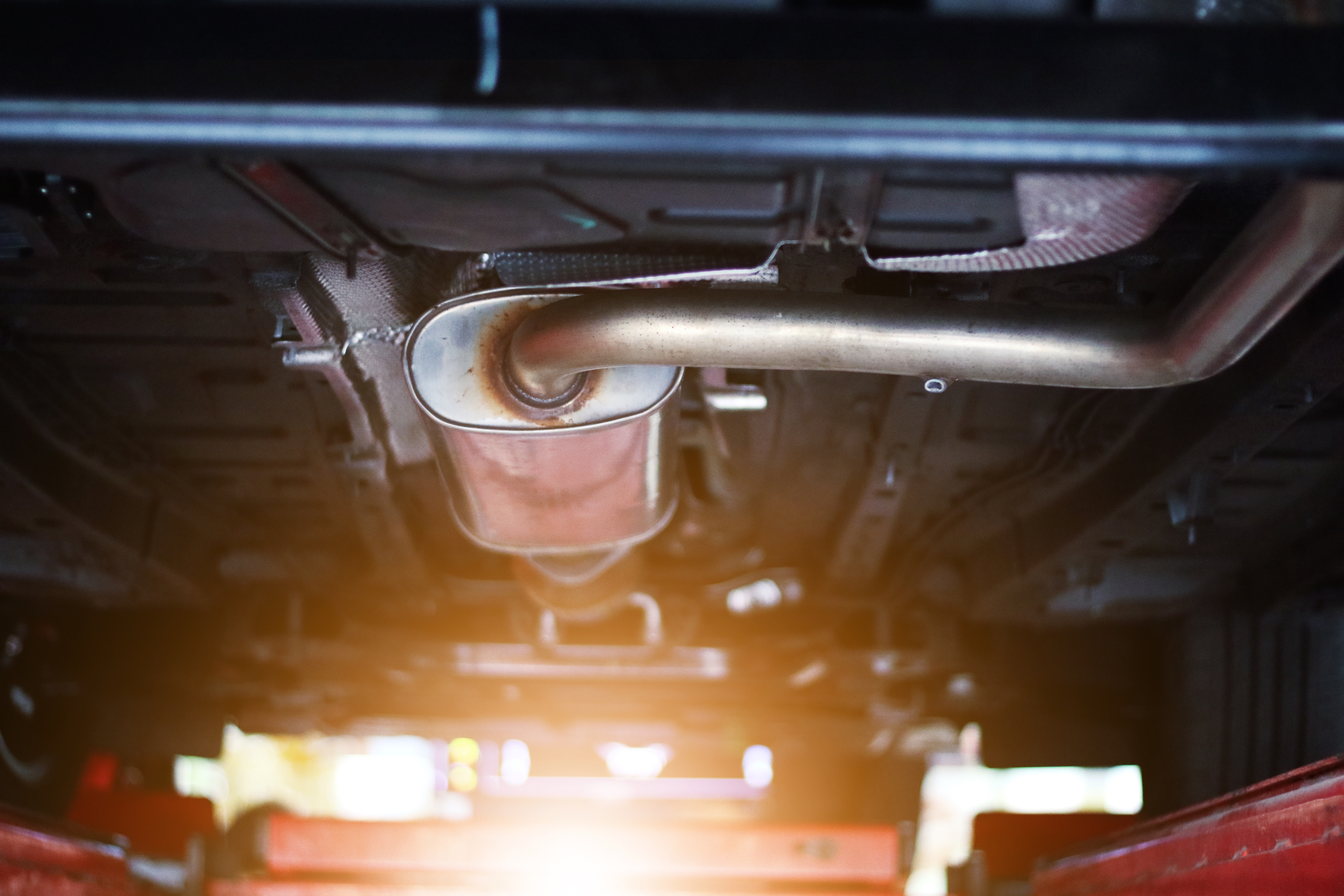
Avoiding Compliance Problems When Replacing A Catalytic Converter
Once you understand the regulations that apply to your vehicle, the next step is ensuring the replacement process is handled correctly from start to finish.
Verifying The Correct Converter Before Purchasing
Choosing the correct catalytic converter starts with accurate vehicle information. Beyond make and model, details such as engine size, emissions certification, and state registration can all affect compatibility.
Before purchasing a replacement converter, make sure to verify:
• Vehicle year, make, and model
• Engine specifications
• Applicable emissions standards
• State-specific requirements
• Product certification information
Taking these steps upfront can significantly reduce the risk of ordering the wrong part and facing costly delays.
Common Installation And Documentation Mistakes To Avoid
Even when the correct converter is selected, installation mistakes can create compliance issues. Improper installation may affect emissions performance, trigger warning lights, or lead to failed inspections.
Documentation is equally important. In states with stricter emissions requirements, records such as certification information and approval numbers may be needed during inspections or future service appointments.
Keeping installation records and verifying certification details can help simplify the compliance process and provide peace of mind down the road.
Why HottExhaust Is A Trusted Source For Federal And CARB-Compliant Catalytic Converters
Navigating emissions regulations can feel overwhelming, especially when replacement requirements vary from one vehicle and state to another. That's why having a knowledgeable supplier matters.
At HottExhaust, we help customers find catalytic converters that meet the appropriate emissions requirements for their vehicles. Our extensive inventory includes both federal and CARB-compliant options, making it easier to identify solutions that align with vehicle specifications and local regulations.
Whether you're replacing a failed converter, preparing for an emissions inspection, or simply researching your options, our team is committed to helping you make informed decisions. By choosing the correct part from the start, you can avoid unnecessary complications, maintain compliance, and keep your vehicle performing as intended.