Using Your Vehicle Information To Choose The Correct Catalytic Converter
9th Nov 2026
Using Your Vehicle Information To Choose The Correct Catalytic Converter
Choosing the correct catalytic converter starts with understanding your vehicle's specifications. If you're wondering how to find the right catalytic converter, verifying your vehicle information ensures proper fitment, emissions compliance, and long-term performance. The right replacement catalytic converter helps maintain your exhaust system, supports efficient emission control systems, and reduces the risk of installation issues.
Why Accurate Vehicle Information Matters When Buying A Catalytic Converter
Purchasing a catalytic converter without verifying your vehicle's specifications can result in compatibility problems, failed emissions inspections, and unnecessary expenses. Every vehicle is engineered with specific emissions equipment, making accurate catalytic converter fitment essential.
How Model Year, Make, And Model Affect Fitment
The model year, make, and model are the foundation for identifying the correct converter. Manufacturers often update exhaust routing, mounting locations, and vehicle emissions parts between production years, even within the same vehicle model.
Using these details allows you to find a catalytic converter by vehicle with greater accuracy and reduces the risk of purchasing incompatible components.
Why Engine Size And Emissions Configuration Matter
Engine displacement directly affects the design of the catalytic converter. Different engine sizes produce varying exhaust flow rates and require converters designed to handle specific levels of nitrogen oxides, hydrocarbons, and carbon monoxide.
Your vehicle's emissions configuration may also include multiple converters, oxygen sensors, or specialized emission control systems. Matching these specifications helps maintain proper engine performance and prevents a persistent check engine light after installation.
Common Mistakes That Lead To Ordering The Wrong Part
Many purchasing errors occur because buyers overlook important vehicle specifications.
Common mistakes include:
Avoiding these mistakes helps simplify installation and reduces unnecessary returns.
The Key Vehicle Details You Should Verify Before Purchasing
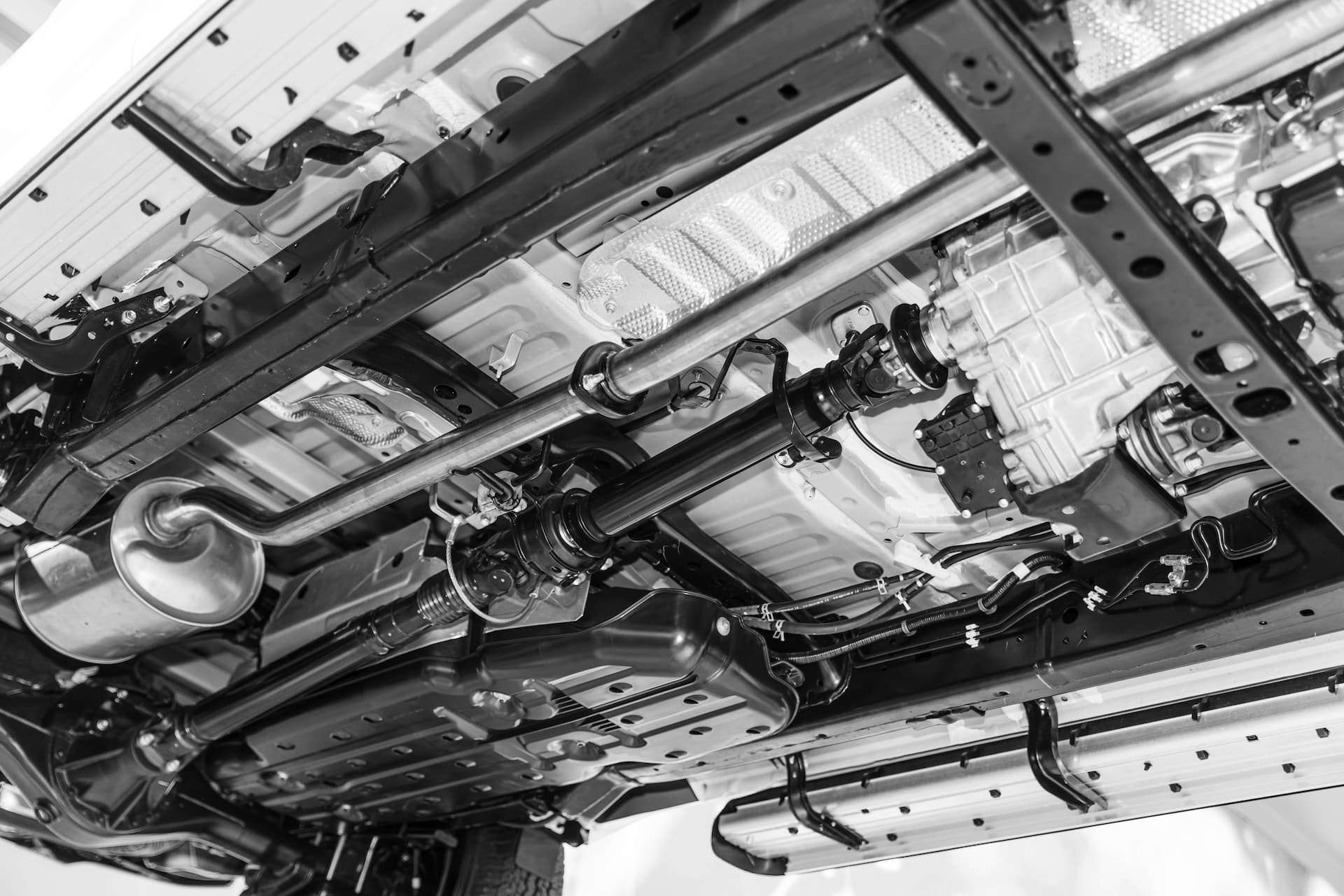
A few minutes spent confirming your vehicle information can save significant time and expense during installation. Your vehicle identification data provides valuable information for selecting the correct aftermarket converter or OEM-grade replacement.
Using Your VIN To Confirm Compatibility
Your Vehicle Identification Number (VIN) is one of the most reliable tools for confirming catalytic converter compatibility. It identifies the exact production specifications, including engine type, factory-installed emissions equipment, and original exhaust configuration.
The VIN can also help verify your engine family number and other manufacturing details that affect catalytic converter fitment.
Understanding Federal And CARB Emissions Requirements
Not all catalytic converters meet the same regulatory requirements. Some motor vehicles require Federal EPA-compliant converters, while others must use CARB-compliant models approved by the California Air Resources Board.
To determine which standard applies, review your Vehicle Emissions Control Information (VECI) sticker, sometimes referred to as the Control Information VECI label. This label identifies the emissions certification your vehicle was originally built to meet and helps ensure your replacement catalytic converter complies with applicable regulations.
Installing the correct converter also helps your vehicle pass an emission test where required.
Identifying Direct-Fit Versus Universal Catalytic Converters
Understanding the difference between converter types makes purchasing easier.
Direct-fit catalytic converters
• Designed specifically for your vehicle.
• Match factory mounting points.
• Require minimal installation modifications.
• Often provide OEM-grade fitment.
Universal catalytic converters
• Require cutting or welding during installation.
• Must be matched carefully to the existing exhaust manifold and exhaust piping.
• Typically require professional fabrication for proper installation.
Selecting the appropriate option depends on your vehicle, installation preferences, and emissions requirements.
Choosing A Catalytic Converter With Confidence
Finding the right catalytic converter becomes much easier when you verify your vehicle information before placing an order. A properly matched converter helps restore emissions performance while protecting critical engine components.
Double-Checking Fitment Before Completing Your Order
Before purchasing, verify:
These checks serve as a practical catalytic converter replacement guide and help ensure the new converter integrates correctly with your existing exhaust system.
Avoiding Costly Returns And Installation Delays
Incorrect parts can delay repairs, increase labor costs, and create unnecessary downtime. Verifying fitment beforehand minimizes installation problems, reduces the likelihood of returns, and helps ensure the converter functions properly with your vehicle's precious metals catalyst design and emissions components.
Why HottExhaust Makes It Easy To Find The Right Catalytic Converter For Your Vehicle
HottExhaust simplifies how to find the right catalytic converter by helping customers identify the correct solution based on their vehicle's specifications. With a wide selection of quality replacement options, detailed fitment information, and products designed to meet applicable emissions requirements, finding the right catalytic converter for your vehicle is straightforward and reliable.