
F-250, F-350 and F-450 Catalytic Converters
Upgrade your truck with confidence using precision-fit catalytic converters built for power, performance, and compliance. Designed for federal and state emissions standards, these options deliver clean exhaust flow, dependable durability, and fast fulfillment—so you get back on the road with results you can trust today.
Need help finding your part? Call one of our sales specialists
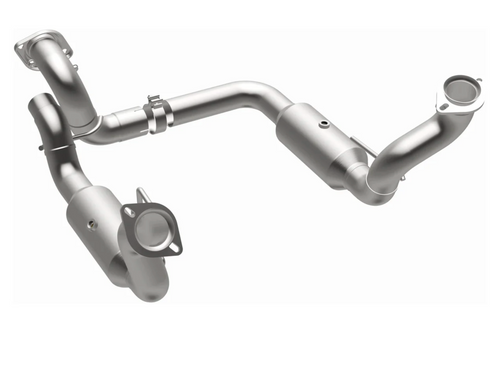


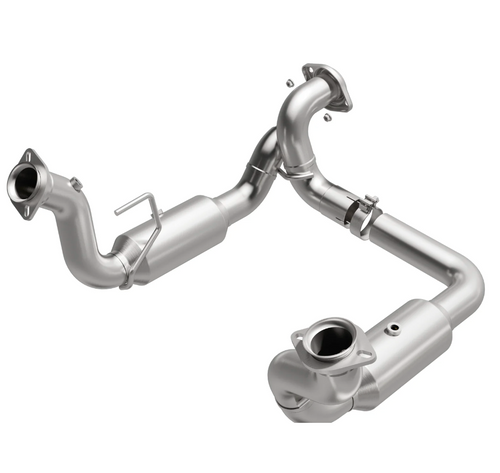


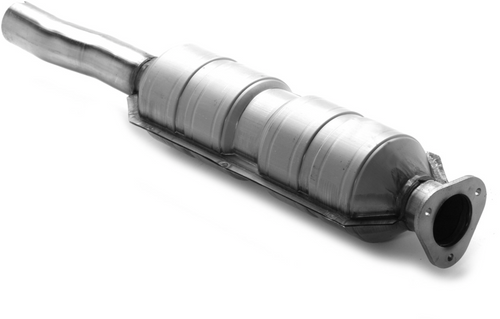

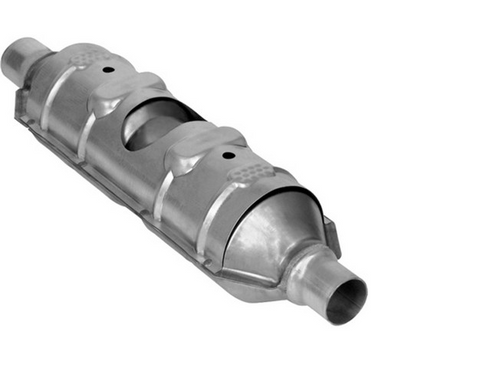


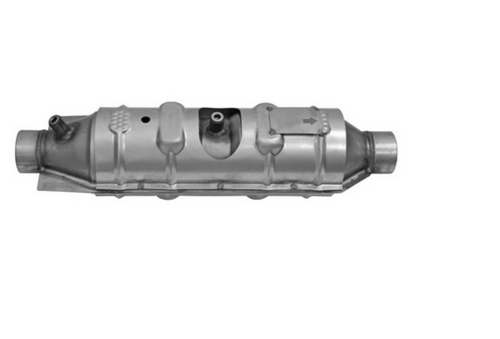
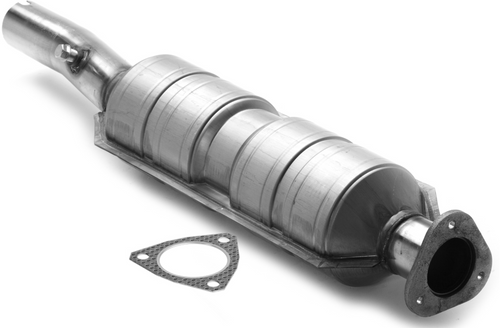


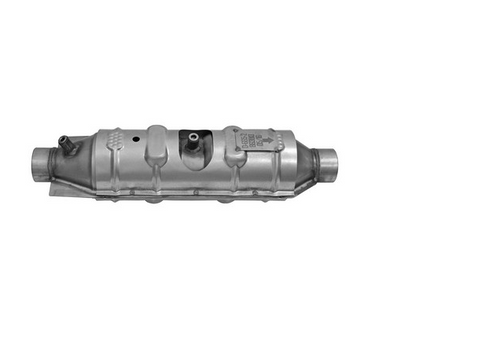

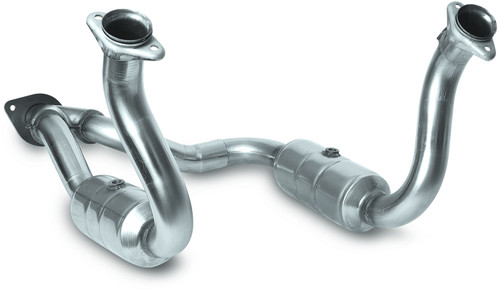
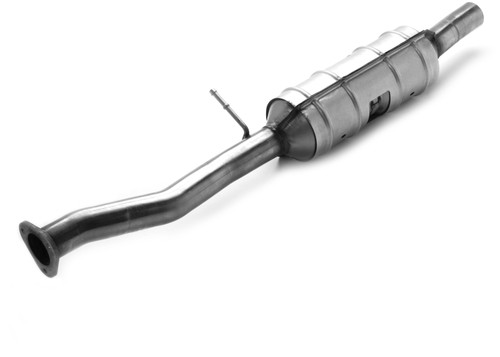
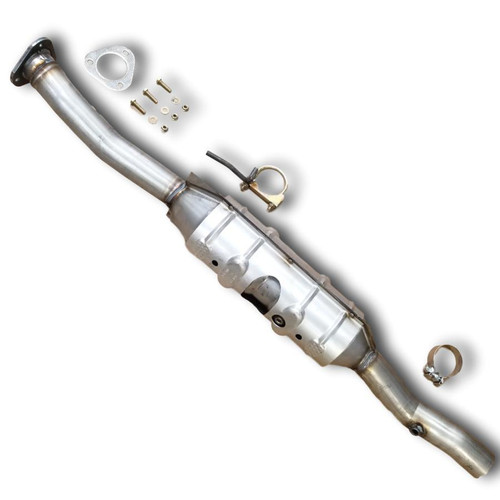
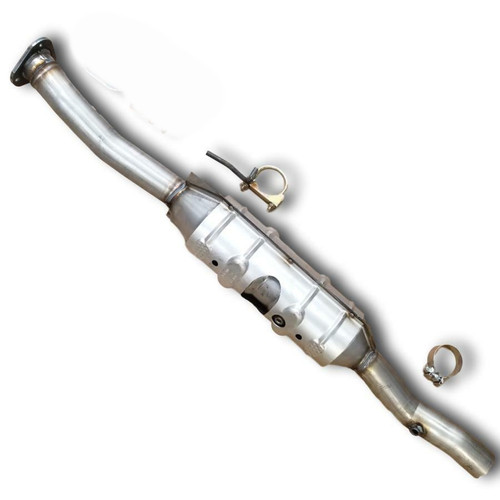
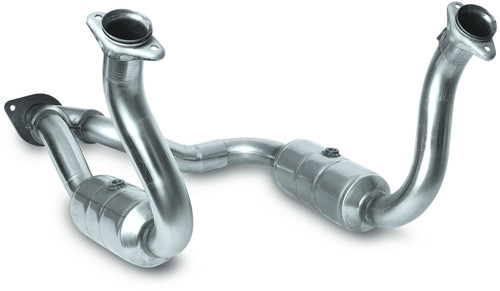
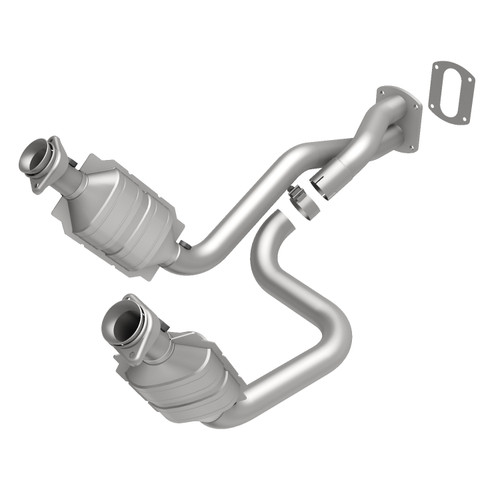


Federal Catalytic Converters for Ford Super Duty Trucks
Built for heavy-duty performance and strict emissions standards, these catalytic converters are engineered to match the power demands of Ford Super Duty trucks while meeting both federal and state compliance requirements. Each option is precision-fit, emissions-ready, and backed by the quality control and fulfillment standards of HottExhaust.
Ford F250 Catalytic Converters
Designed specifically for the Ford F-250 platform, these catalytic converters restore exhaust efficiency, reduce harmful emissions, and support consistent engine performance under demanding work and towing conditions. Each unit is engineered for exact fitment and long-term durability.
Ford F350 Catalytic Converters
Ford F-350 catalytic converters are built to handle higher torque loads and constant heavy-duty use while maintaining proper exhaust flow and emissions compliance. These replacements help preserve engine health, improve fuel efficiency, and ensure your truck stays road-legal.
Ford F450 Catalytic Converters
For maximum-duty applications, Ford F-450 catalytic converters deliver robust construction and reliable emissions control for commercial-grade workloads. These high-capacity solutions are designed for extreme towing, fleet service, and long operational life under continuous stress.

TESTIMONIALS
Here are what our clients have to say.
Best place ever! I searched different websites, trying to find a place that was affordable & also shipped to California with no luck. So happy I looked a little more. Thank you for having what needed! U ROCK!!!
Maisha D.
The website was easy to use, I got a smokin' deal on my part (better price than any other supplier and I shopped around!), and it was shipped so quickly and safely, and arrived way before I expected it to. So much so, it's already on my vehicle!!! I will recommend Hot Exhaust to all my friends who enjoy upgrading their vehicles.
Darren
Easy fast transaction! Great Price!! Received my Magnaflow today! Very Well packed and shipped With No problems! Looks awesome, I can't wait to get it installed in the morning.
Victor G.
Built for Durability
Each catalytic converter in this lineup is engineered with heavy-gauge stainless steel construction and premium internal substrates to withstand extreme heat, road debris, and constant workload pressure. Built for long service life, these converters are designed to resist corrosion, prevent premature failure, and maintain consistent exhaust flow under daily driving, towing, and commercial use.
Compatible F-Series Models and Engine Options
Every Ford F-series catalytic converter in this collection is precision-matched to specific F-250, F-350, and F-450 configurations, covering multiple engine sizes, fuel types, and powertrains. This ensures proper sensor alignment, optimized exhaust flow, and full federal and state emissions compliance without custom modifications.
Proper Installation for Ford F-250, F-350, and F-450 Catalytic Converters
Correct installation is critical to ensure emissions compliance, proper exhaust flow, and long-term performance for Ford Super Duty trucks. Each model has specific fitment requirements based on engine size, sensor placement, and exhaust layout, so following the proper steps helps prevent check engine lights, exhaust leaks, and premature failure.
- Ford F-250 Installation: Proper installation requires precise alignment with factory exhaust flanges, accurate oxygen sensor placement, and secure torque on all mounting hardware to prevent leaks and ensure reliable emissions performance under daily driving and towing conditions.
- Ford F-350 Installation: Due to higher torque output and heavier workloads, installation must account for reinforced exhaust connections, correct heat shield positioning, and tight seal points to manage increased exhaust temperatures and maintain long-term durability.
- Ford F-450 Installation: Installation for the F-450 often involves larger exhaust piping, commercial-grade mounting points, and careful sensor calibration to support extreme towing, fleet use, and continuous heavy-duty operation without triggering emissions faults.
How to Identify the Correct Converter for Your F-Series
- Confirm the exact model year of your F-250, F-350, or F-450 to avoid fitment and sensor placement issues.
- Verify the engine size and fuel type (gas or diesel), as converter design varies by powertrain.
- Check whether your truck requires federal or state (CARB) emissions compliance.
- Match the OEM part number or exhaust layout to ensure proper inlet, outlet, and mounting alignment.
Ford F-Series Catalytic Converter FAQs
What’s the difference between F-series federal and state-specific catalytic converters?
Federal converters are designed to meet EPA emissions standards for most states, while state-specific options meet stricter regulations such as CARB compliance. State-approved converters require additional certification and are mandatory for vehicles registered in regulated states.
Can the same converter fit F-250, F-350, and F-450 models?
Some converters may appear similar, but fitment depends on engine size, exhaust layout, sensor configuration, and emissions requirements. Each Super Duty model typically requires a converter matched to its specific powertrain and emissions system.
How long do Ford F-series catalytic converters for F-250, F-350, and F-450 tend to last?
With proper installation and normal driving conditions, most high-quality catalytic converters last between 80,000 and 150,000 miles. Longevity depends on engine health, fuel quality, exhaust temperatures, and whether the truck is used for heavy towing.